Master’s Thesis, May 2016
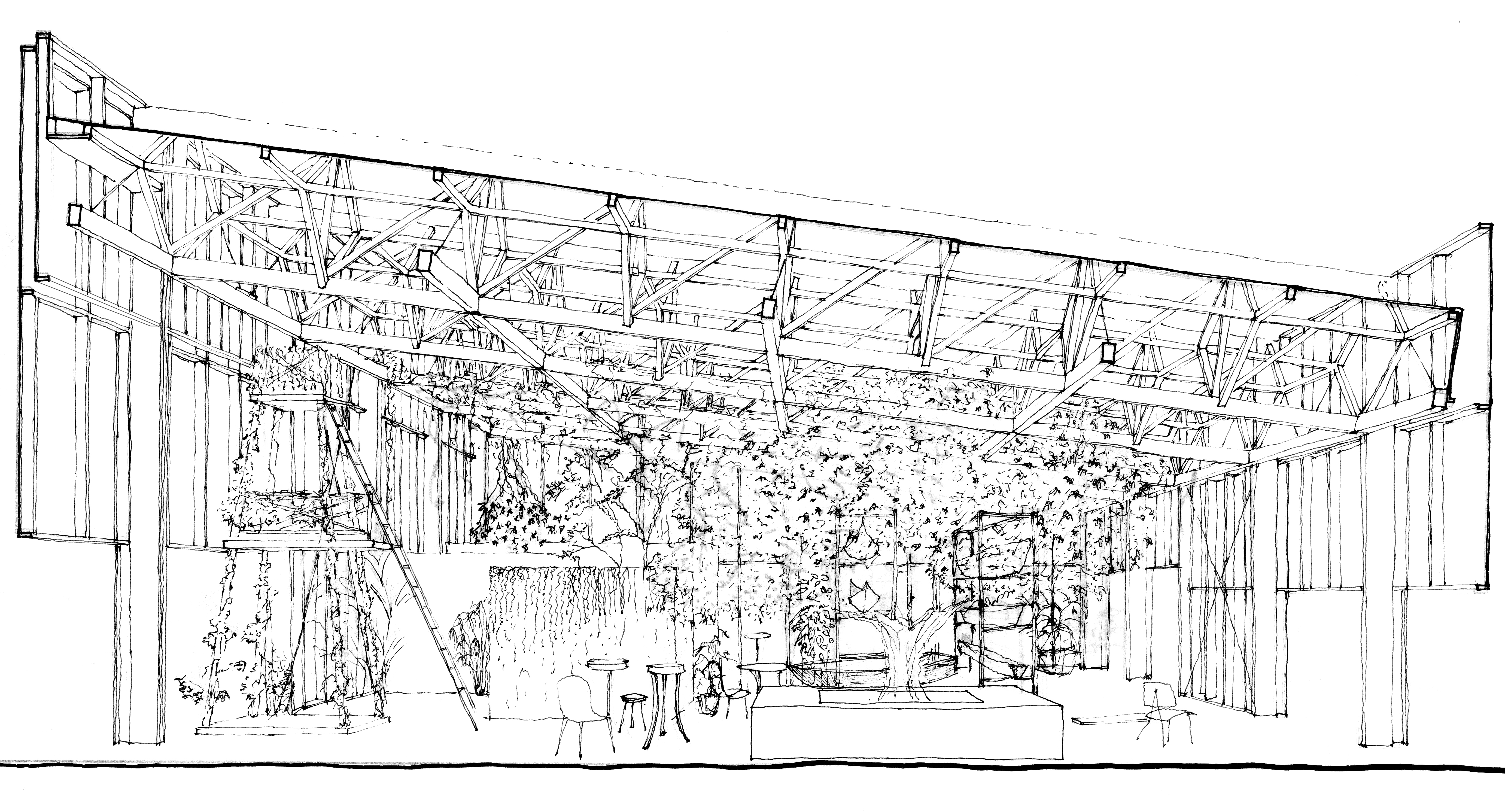
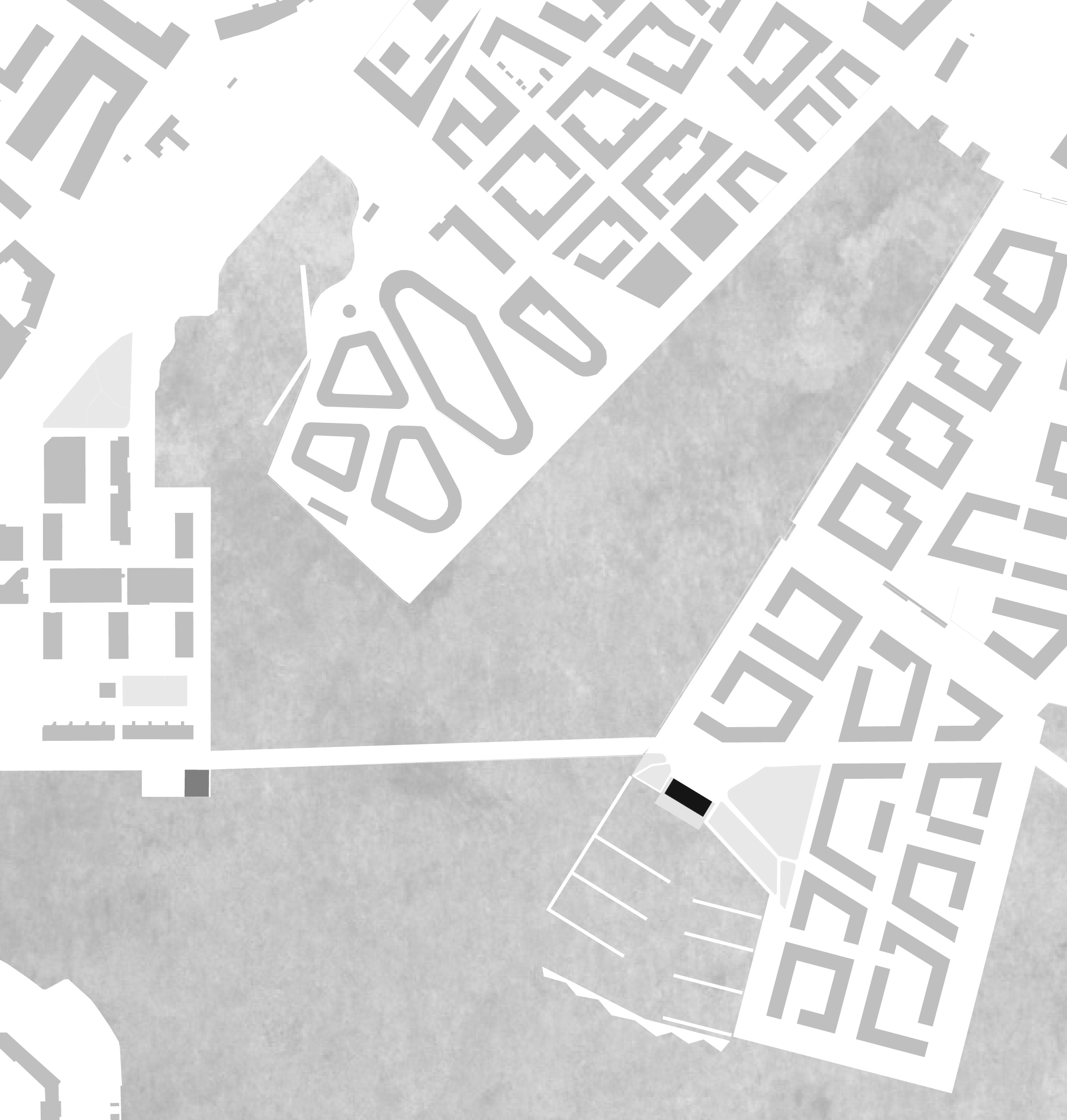
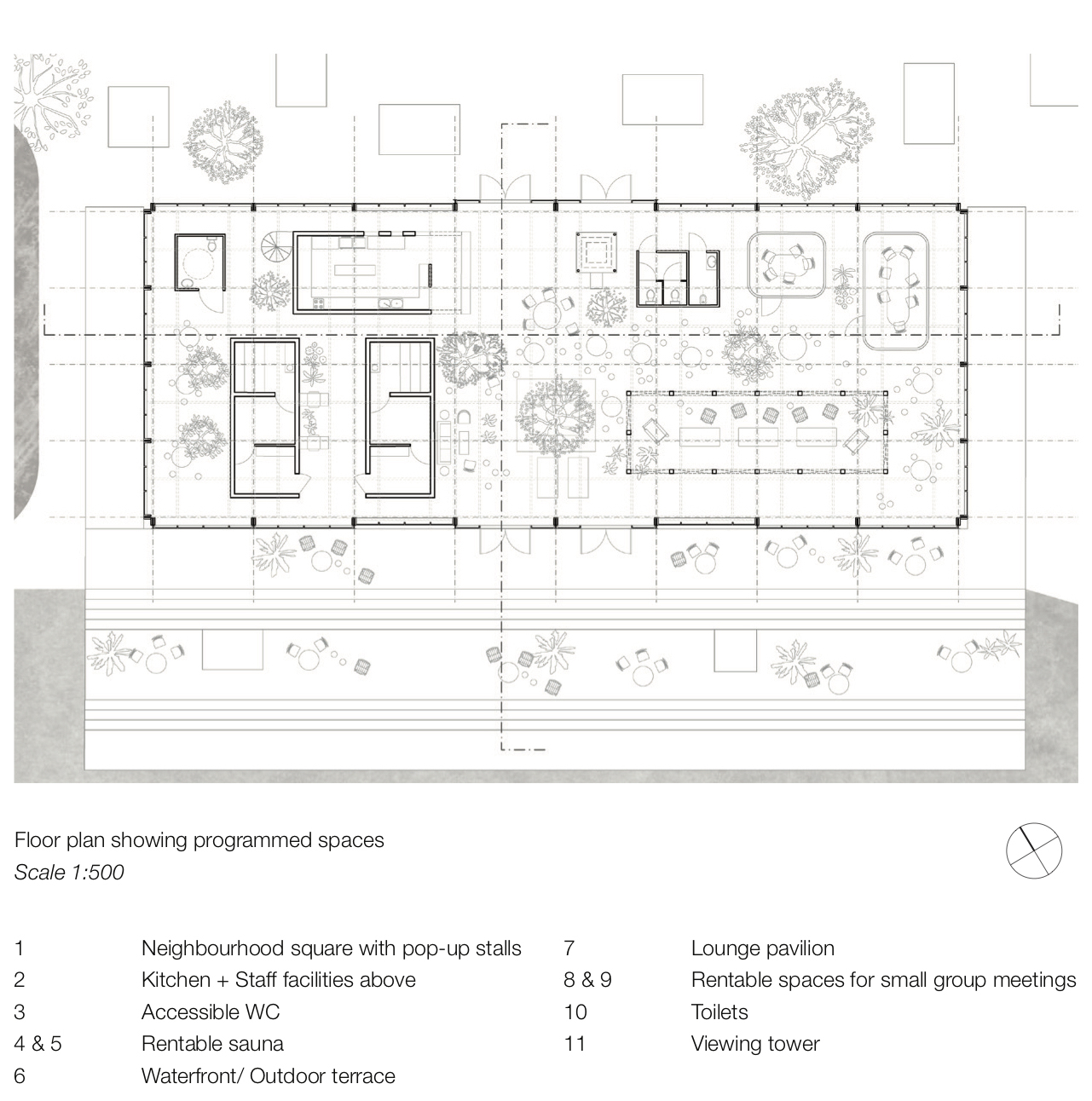
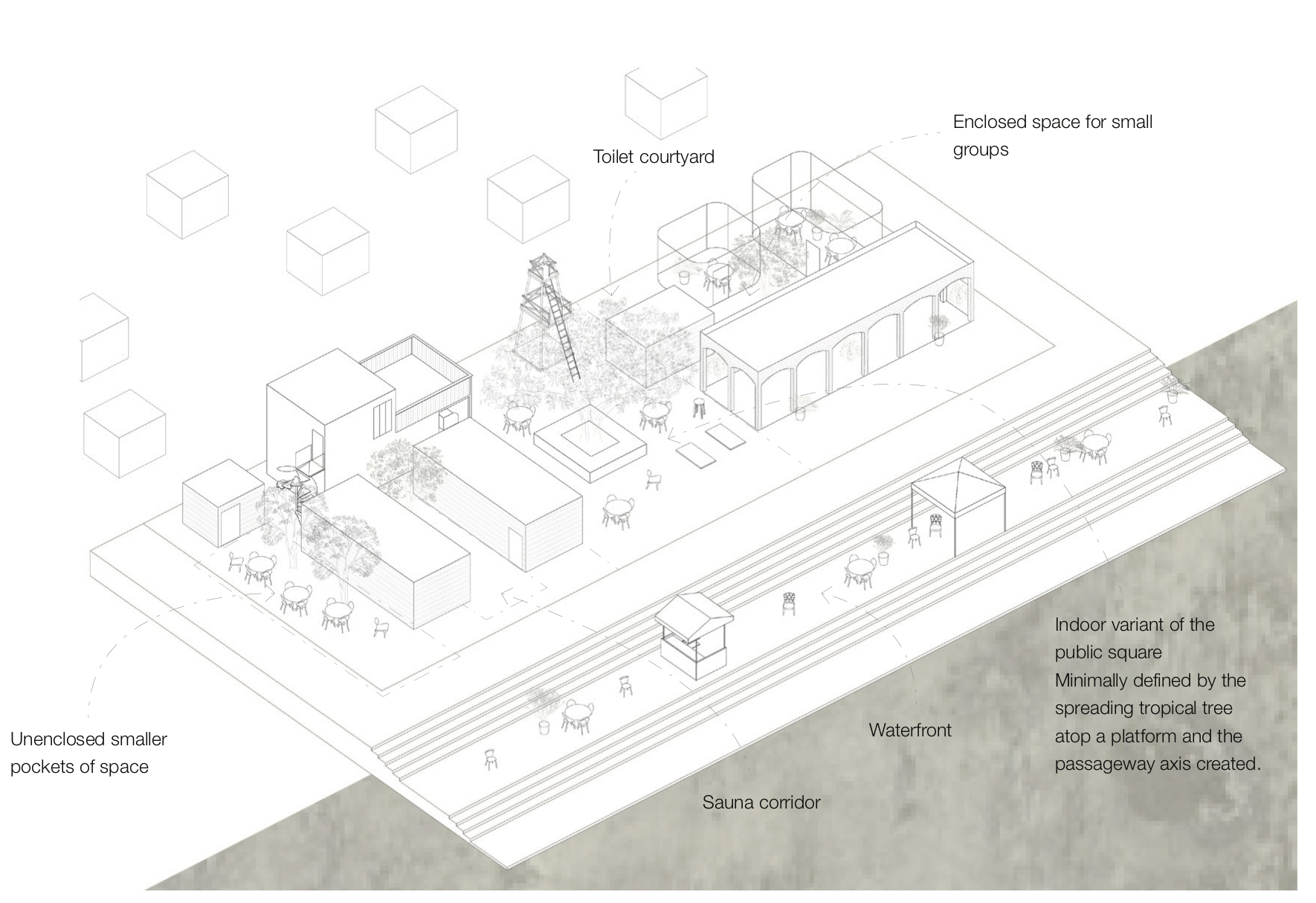
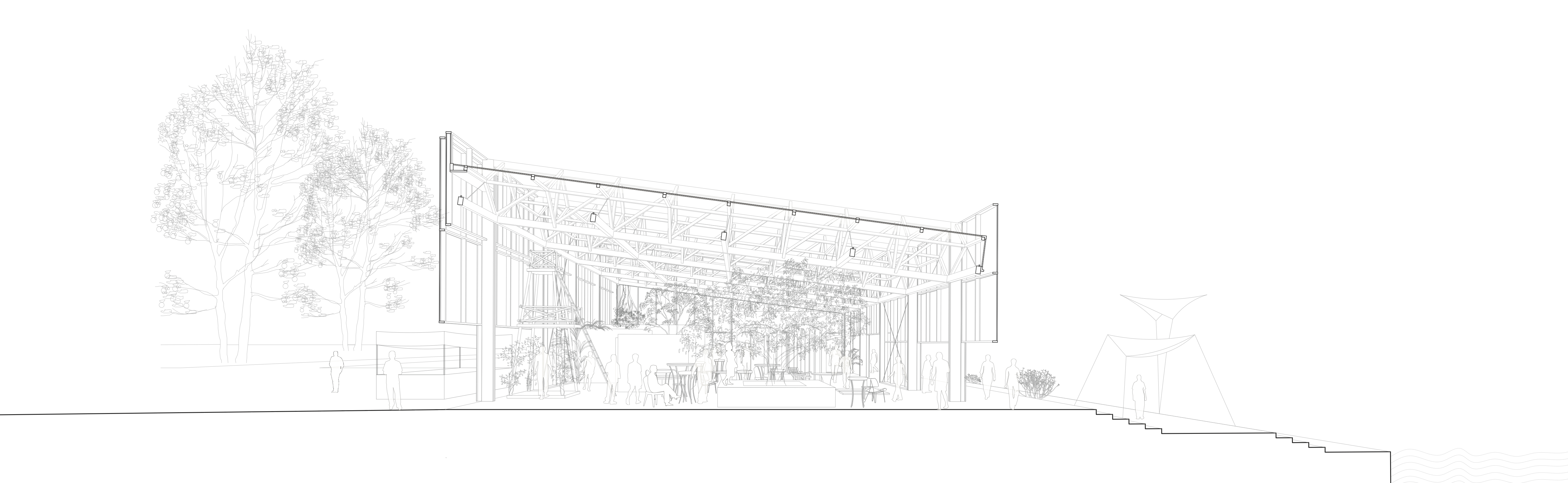
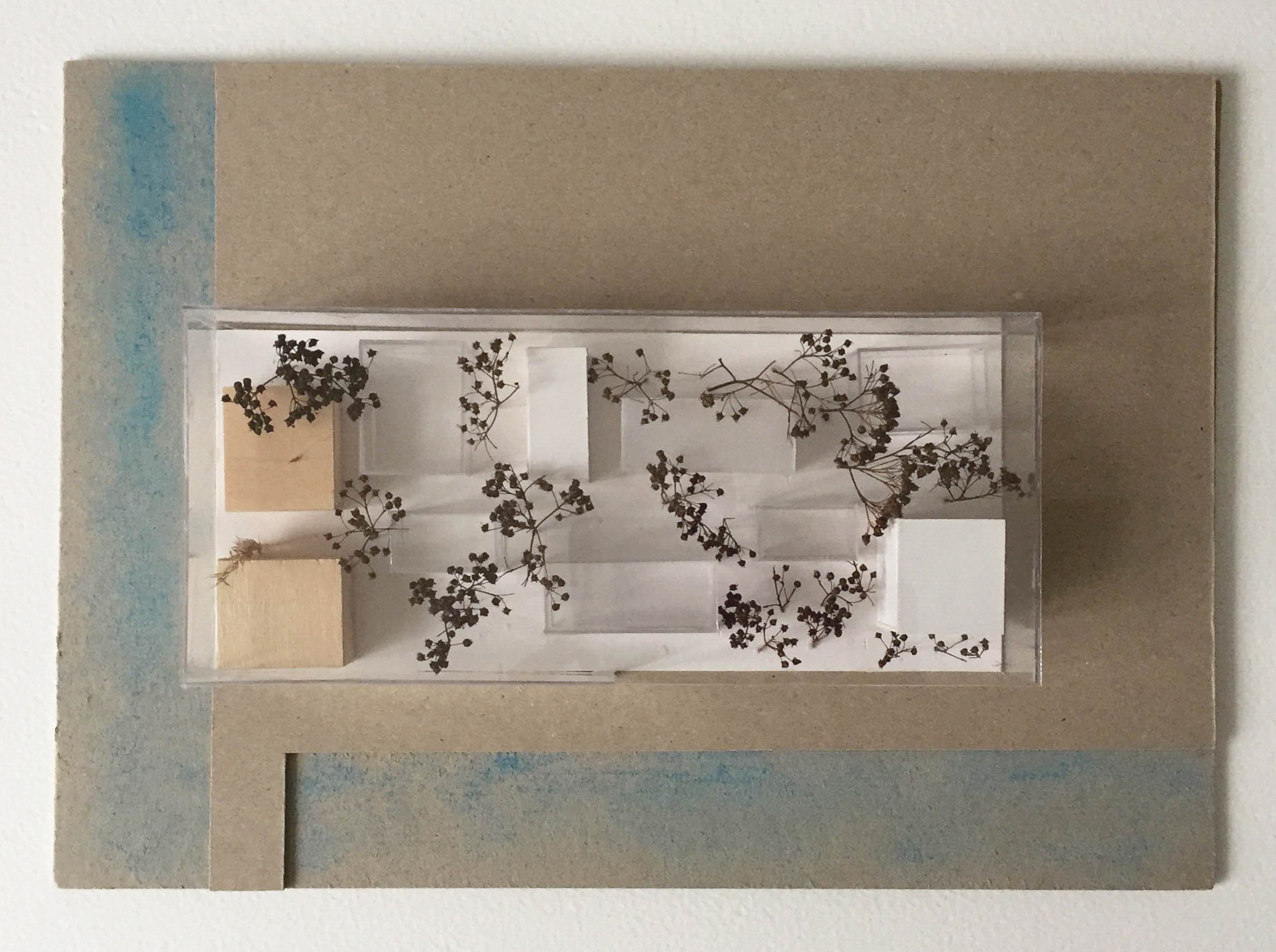
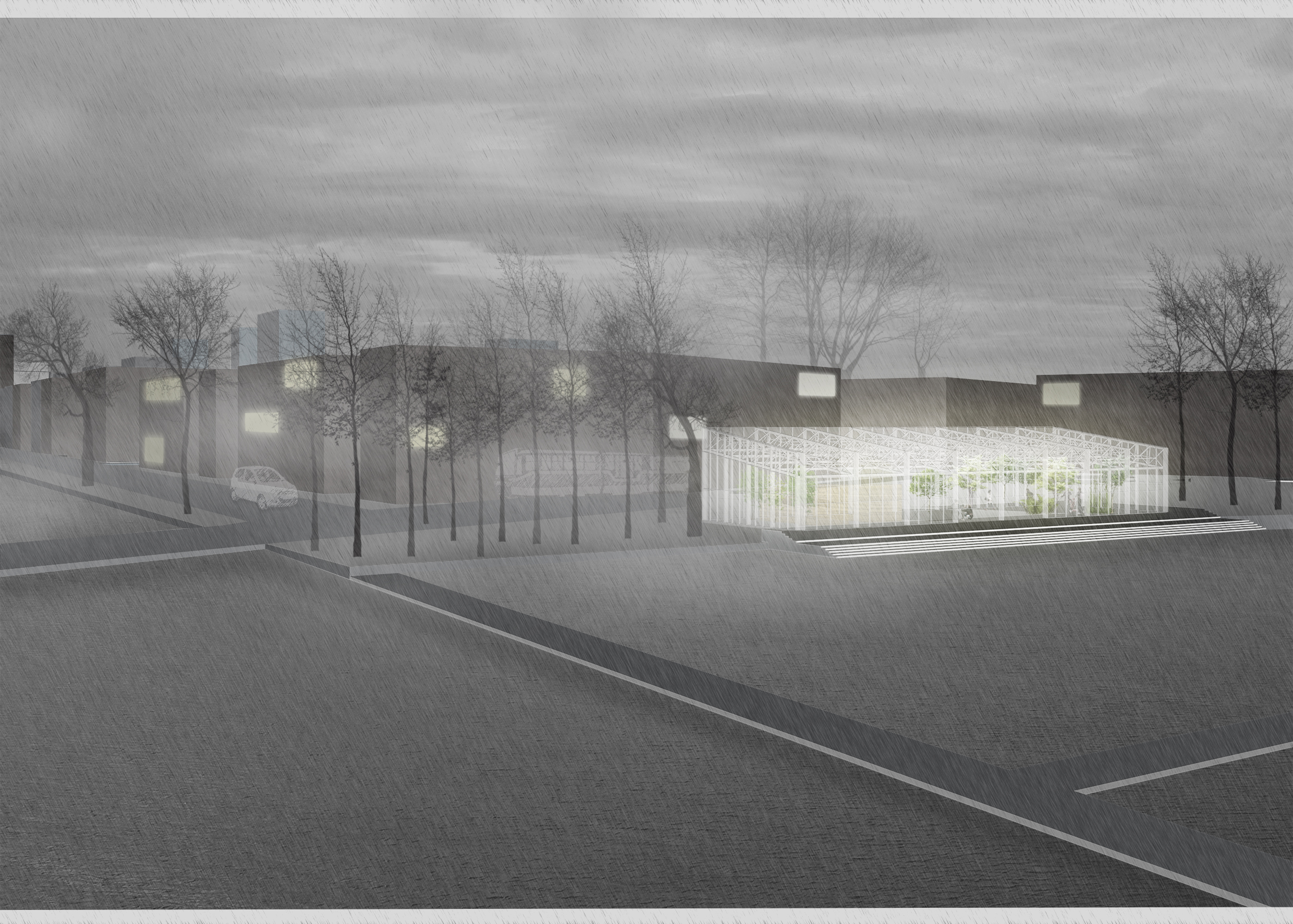
Typological definition, in architecture, manifests itself as the functional program in contemporary design processes. Through a series of graphic exercises, I analysed the relevance of this prescriptive role of typology in light of adaptability of public buildings and concluded that the program for public spaces should also include non-program spaces that are not defined solely by their function. These spaces could be of subsidiary use supporting the main function or purely defined by their experiential potential. In case of an adaptive reuse, these spaces act as the cushion for the change of use. This conclusion is tested in the project, which is a proposed building for a cafe and other public spaces in the Kalasatama area of Helsinki.
 Sudar Oli Gunasekaran